It’s a familiar scene for many backyard bird enthusiasts: the vibrant activity around feeders in the warmer months, only to see some stations sit abandoned come winter. If you’ve ever wondered why certain bird feeders seem to be fair-weather friends, exclusively bustling with life during summer and then falling silent as the temperatures drop, you’re not alone. This phenomenon isn’t just a coincidence; it’s often a direct result of the birds’ migratory patterns, dietary needs, and the very design of the feeders themselves.
As the days shorten and the chill sets in across the United States, understanding which feeders are about to become obsolete and which will continue to attract your feathered friends can save you time, effort, and even some money on wasted birdseed. We explore the fascinating reasons why some feeders are summer-only sensations and help you identify exactly which ones you should pack away as the seasons change.

Migratory Patterns
The birds that often make your summer feeders so lively, and then disappear, are typically these Neotropical migrants. These are species that breed in North America (Nearctic region) and winter in the tropics (Neotropical region). As winter ends and spring begins, birds move north on migration from their wintering grounds (often in the southern U.S., Mexico, Central America, and South America) to their breeding territories in the U.S. and Canada. They are drawn by the explosion of insects, blooming flowers, and longer daylight hours, which are all essential for raising chicks. Conversely, Once the breeding season is over, and as food sources begin to dwindle in the north (insects die off, fruits and seeds are consumed or drop), birds embark on their journey south again to warmer climates where food is more plentiful through the winter. This usually starts in late summer and continues through the fall.
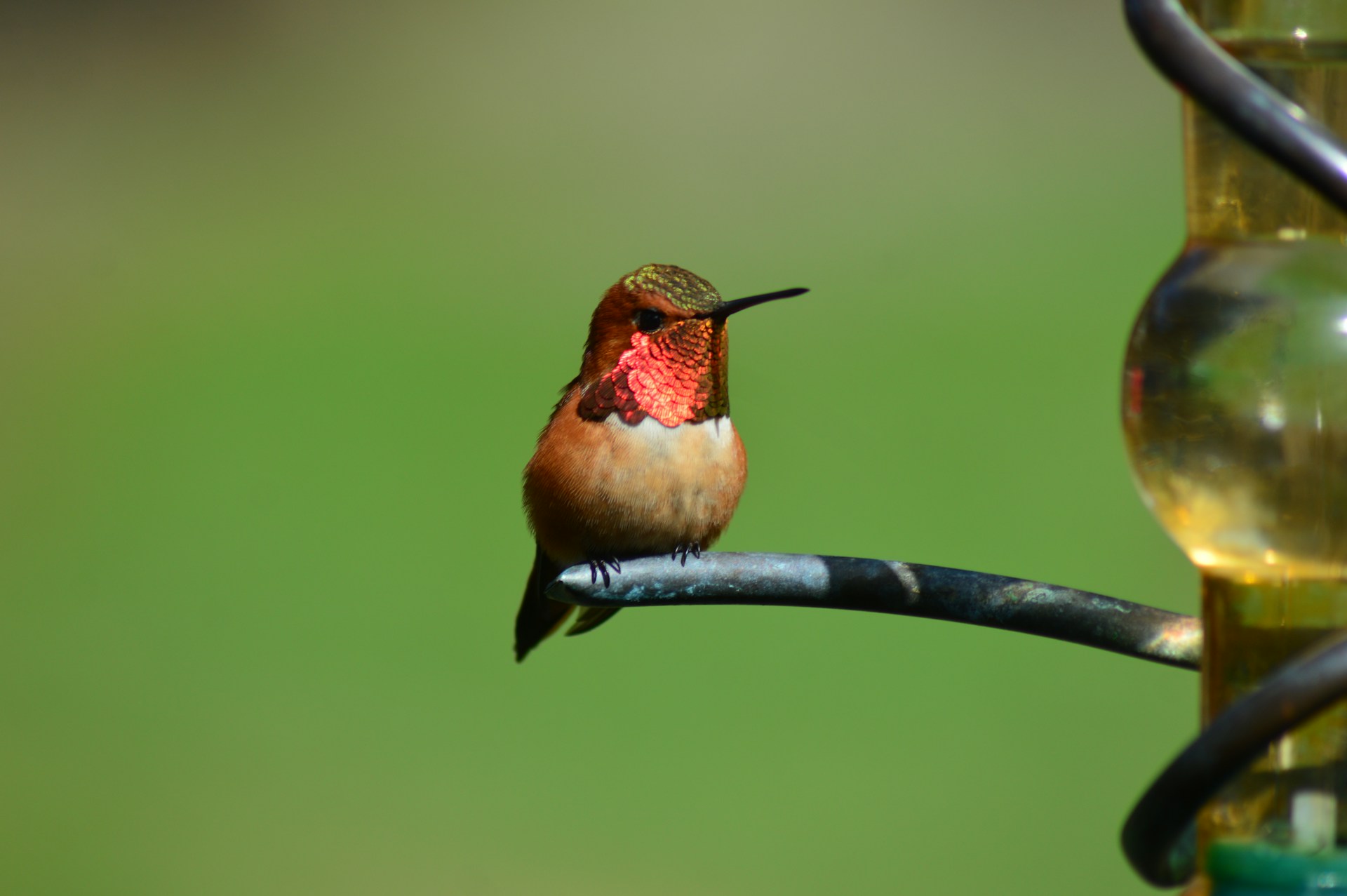
Hummingbirds (e.g., Ruby-throated, Rufous) are such summer guests. These tiny, iridescent birds are perhaps the most obvious summer-only visitors to feeders. They are absolute nectar specialists. Most hummingbirds begin their southward migration in late summer, often by August or early September in northern and central U.S. states. Some individuals, particularly young birds, may linger a bit longer, fueling up for their epic journeys across the Gulf of Mexico or overland routes. Once they leave, your hummingbird feeders will sit empty, signaling it’s time to clean and store them.

Another warm weather visitor is the orioles (e.g., Baltimore, Bullock’s). They are vibrant, fruit- and jelly-loving birds that are a delight to have at feeders in the spring and summer. They also consume many insects. Many orioles begin their fall migration remarkably early, with some departing their breeding grounds as early as July or August, though the peak is often in August and September. They journey to Mexico, Central America, and even parts of South America. Consequently, your orange slices and jelly feeders will become quiet once these beautiful birds head south.

Rose-breasted Grosbeaks are striking black, white, and rose-colored birds that are often attracted to platform or hopper feeders offering sunflower seeds. They are insectivorous during the breeding season, supplementing with seeds. Rose-breasted Grosbeaks generally begin their migration to Central and South America in August and September. Their absence will reduce activity at your general seed feeders, particularly for black oil sunflower seeds.

The Four Flyways
While individual birds may deviate, ornithologists generally recognize four major migratory flyways across North America that birds utilize. These are:
- Atlantic Flyway – along the eastern seaboard of the U.S. and Canada.
- Mississippi Flyway – following the Mississippi River valley.
- Central Flyway – generally following the Great Plains, east of the Rocky Mountains.
- Pacific Flyway – along the western coast of the U.S. and Canada.
Birds use these broad corridors, often navigating by the Earth’s magnetic field, the sun, and even familiar landmarks. The presence of food sources and suitable stopover habitats along these routes is critical for their survival.

What This Means for Your Feeders
The direct consequence of these migratory patterns is that once these summer residents depart, the feeders specifically catering to their needs (nectar, jelly) become redundant. Even general seed feeders might see a dip in activity because a significant portion of the bird population that was present in summer has moved on. The birds that remain year-round (like cardinals, chickadees, jays, and certain finches) will continue to visit, but the overall buzz of summer can definitely diminish.
Seasonal Dietary Needs and Natural Food Abundance
During spring and summer, insect populations explode. For almost all passerine species, insects are the primary food source for their rapidly growing nestlings. Even birds that primarily eat seeds as adults will switch to an insect-heavy diet when feeding their young. So why insects? They are packed with protein, fat, and moisture, all vital for a chick’s rapid development. Seeds, while nutritious for adults, have low moisture content and aren’t suitable for young birds that can’t leave the nest for water.
Because parents are tirelessly foraging for thousands of insects (a single chickadee can bring hundreds of caterpillars to a nest in a day!), they spend less time at seed feeders. While adult birds might still visit feeders for a supplemental snack, their main focus is on the natural insect buffet. If you want to support birds during this time, planting native plants that host insects is far more beneficial than just filling feeders.

Nectar and Fruit Abundance
As spring progresses, flowers bloom, providing nectar for hummingbirds. Berries and ripe fruits become available for orioles and other fruit-eating birds (like robins, cedar waxwings, and tanagers). Feeders are still highly attractive even when these natural sources are plentiful, supplementing their wild diet. However, if your yard or surrounding area has a rich diversity of nectar-producing flowers or berry bushes, these birds might still prefer the natural sources. As plants mature throughout the summer, they start producing their own seeds. This natural seed bank becomes another competitive food source.

During the late summer and fall, birds begin fattening up for migration and winter by shifting towards calorie-dense foods. Long-distance migrants require immense amounts of energy and so will actively seek out high-calorie, fat-rich foods like berries (especially high-fat native berries like spicebush or dogwood), nuts, and oil-rich seeds (like sunflower and nyjer). Even resident birds need to store fat to survive cold nights when foraging opportunities are limited.
For your feeders, you are likely to see a drop-off in activity compared to peak summer as birds stock up from the incredible natural abundance with trees, shrubs, and wildflowers laden with seeds, nuts, and berries. Birds return to feeders in the cold months when natural sources are buried under snow or completely depleted.

Food Spoilage in Warm Weather
The summer months are problematic for a range of bird feeds. Warm, moist environments are ideal breeding grounds for bacteria and mold. Birdseed, nectar, and suet are all organic materials susceptible to such spoilage. Sugar water (nectar) can ferment rapidly in the heat, turning alcoholic and potentially harmful to hummingbirds. Even Fats, like those in suet or the oils in black oil sunflower seeds, can go rancid quickly in high temperatures. Rancid fats lose their nutritional value and can become unpalatable or even toxic.
If you wish to support summer migrant birds like hummingbirds, warblers, and orioles, it must be done responsibly. Melted, greasy suet clogs birds’ feathers, insect infestations can make birdseed unsafe, and fermented nectar can actually poison hummingbirds. Once the temperature hits 80 degrees, these become real problems. Even open platform feeders are susceptible to mold growth in this heat.
If it is too hard, too time-consuming, or too expensive to maintain your feeders adequately as the summer days get hotter and more humid, then you are better off packing them all away until the seasons change.

Best Practices for Warm Weather Feeding
Summer bird feeders are crucial for species like hummingbirds, and attention to their cleanliness is crucial to supporting them. Here are the top tips for keeping your summer visitors returning.
- Offer Smaller Quantities – Don’t fill feeders to the brim. Put out only as much food as birds can consume in a day or two to minimize spoilage.
- Frequent Cleaning – This is paramount in warm weather.
- For nectar feeders, clean daily or every other day with a bottle brush and hot water. A weak bleach solution (10% bleach, 90% water) can be used periodically, followed by thorough rinsing.
- For seed feeders, clean every 1-2 weeks, empty old seed, scrub with hot soapy water, rinse thoroughly, and allow to air dry completely before refilling. Disinfect periodically with a 10% bleach solution.
- Shade – Position feeders in a shaded area if possible to reduce direct sun exposure, which can slow spoilage.
- Consider No-Melt Suet – If you want to offer suet in warm weather, this is your only safe option.
- Water Stations – While not feeders, providing fresh, clean water in bird baths is crucial in summer. Birds need water for drinking and bathing, and natural sources can dry up. Clean bird baths daily.

Which Feeders to Pack Away Soon

Hummingbird Feeders
While hummingbirds are definitely present in mid-summer, their migration south can begin surprisingly early for some individuals. Male hummingbirds are often the first to head south, some as early as mid-July, with females and juveniles following later in August and September. As the summer wears on and the temperature rises, if fewer hummingbirds are visiting your feeder, it may be a sign to pack them up. Nectar ferments very quickly in hot summer heat. It needs to be changed daily, or even twice a day in very hot weather, and feeders cleaned thoroughly with a brush to prevent mold. This becomes a significant chore, especially if the birds have started to migrate.
Oriole Feeders
Orioles are also early migrants. Orchard Orioles can depart their breeding grounds as early as mid-July, and Baltimore Orioles often start their southward journey in July and August. Fruit and jelly spoil, mold, and attract insects (like wasps and ants) very quickly in warm, late summer weather. Keep these feeders out for early to mid-summer if orioles are present. However, monitor activity. Once you notice a significant drop in oriole visits (which can happen surprisingly early in mid-to-late summer), thoroughly clean these feeders and store them. There’s no benefit to leaving out rotting fruit or moldy jelly.
Open Platform/Tray Feeders
While versatile, the open nature of platform feeders means seeds are exposed to summer rain and humidity, leading to rapid mold growth and spoilage. They also attract rodents and can contribute to unsanitary conditions below the feeder if not cleaned frequently. You don’t necessarily have to pack these away entirely, but you must manage them carefully. Offer very small quantities of seed that will be consumed within a day, ensure excellent drainage, and clean them much more frequently (weekly, if not more often) than in cooler months.
If these practices are too much work, or you’re consistently finding moldy seed, then packing it away for the rest of the summer and relying on other feeder types or natural food sources is a perfectly valid choice. You can bring them back out after the fall when food is more scarce and the birds really need them.
Feeders You Should Definitely Keep Out
These are great year-round. Black oil sunflower and safflower are high in fat and protein, appealing to many species. Just don’t overfill them, and clean them regularly.
Nyjer Feeders
Goldfinches and other small finches will continue to visit these through the summer. Nyjer is less prone to mold than larger seeds, but can still clump if wet.
Peanut Feeders
Many birds love peanuts, and they hold up reasonably well in summer, provided they stay dry.
Important Note for Year-Round Feeding
Even if some feeders become less active, many common backyard birds (like cardinals, chickadees, titmice, finches, and various sparrows) are year-round residents in many parts of the U.S. and will still visit your feeders. Providing fresh water is especially important in summer, as natural water sources can become scarce.

Final Thoughts
By understanding the seasonal habits of birds and the specific needs of different feeder types, you can optimize your bird feeding efforts and ensure your feathered friends are always well-cared for. Birds are highly attuned to the changing seasons and the natural resources available. Your feeders serve as a supplement, becoming more or less important depending on what nature is already providing.
Summer’s abundance of insects, nectar, and early natural seeds means that birds are often less reliant on feeder food, making certain feeders seem summer-only as they follow the natural ebb and flow of their wild diets. By keeping your avian visitors’ welfare in mind and observing their habits and changing needs, you can be sure to support them year-round.