
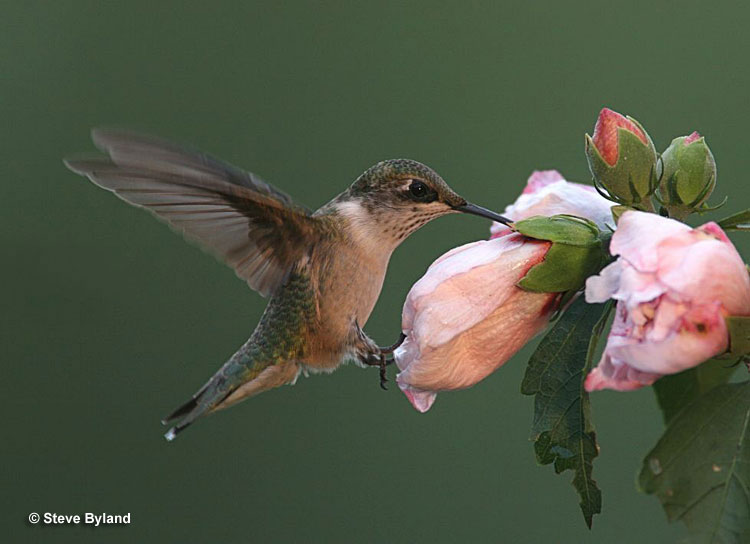
Have you ever noticed the first hummingbird hovering at your feeder in spring?
In Georgia, that visitor is almost always the Ruby-throated Hummingbird—the only hummingbird that breeds in the state. These small birds travel thousands of miles each year, bringing life to gardens and woodlands before heading south again in the fall.
Their yearly cycle is easy to follow. They arrive in March, nest and raise young through the warm summer, and then depart in autumn for Central America and Mexico.
Along the way, Georgia birdwatchers may spot the occasional surprise guest, such as a Rufous, Black-chinned, or even Calliope Hummingbird.
Curious about when they leave Georgia? Let’s walk through their journey and what it means for your backyard.
Why Is the Ruby-throated Hummingbird the Only Species in Georgia?
Geography
Georgia stretches from the mountains of the north to the sandy coast in the east. Its mix of forests, fields, and gardens provides excellent nesting and feeding grounds.
This landscape lies right in the center of the ruby-throat’s breeding range. It is no surprise they dominate here while other hummingbird species remain tied to western states.

Migration Routes
Every spring, Ruby-throated Hummingbirds make their way into Georgia by following the eastern flyway. Many cross the Gulf of Mexico in a single, bold flight, while others move along the Gulf Coast before reaching the state.
Since no other hummingbird follows this route in large numbers, the ruby-throat remains Georgia’s only regular breeding species. Other hummingbirds simply pass too far west to settle here.
Climate & Habitat
Long, warm summers in Georgia mean flowers bloom in abundance. Hummingbirds find plenty of nectar and insects to support both adults and their young
. Backyards with feeders and flowering plants offer safe spots for feeding, while woodlands and thickets provide quiet nesting areas. But winters here, though mild compared to northern states, are still too cold for hummingbirds to survive year-round.
Vagrants
Every so often, Georgia gets surprise visitors. Rufous Hummingbirds, known for their copper-colored feathers, are the most common vagrant.
They are often spotted in fall and sometimes stay through winter. Less often, birders record Black-chinned or Calliope Hummingbirds at feeders.
These guests do not breed in Georgia, but their presence always excites local watchers.
The Departure Window in Georgia
Have you noticed how early hummingbirds appear in spring?
By mid-March, ruby-throats begin to show up, with the males often leading the way. Soon after, females arrive, and nesting gets underway.
By late spring and summer, Georgia is alive with their activity.
By late July, things begin to change. Adult males are the first to leave, often vanishing from yards in early August. Females wait a little longer, finishing the job of raising their young.
Juveniles are the last to depart. Many stay through September, taking extra time to build strength before migration. In southern Georgia, a few can be spotted into early October.
But by mid-to-late October, most Ruby-throated Hummingbirds are gone.
It is a dependable cycle—seven months of hummingbird activity, then a quiet winter.

Male Ruby-Throated Hummingbird
What Triggers Their Departure?
So, why do hummingbirds leave Georgia when food is still available?
The answer lies in timing, not shortage. As days grow shorter in late summer, hummingbirds respond to the change in daylight. Their bodies know it is time to begin the trip south.
In the weeks before migration, they eat constantly. This phase, called hyperphagia, allows them to nearly double their weight in fat reserves. These reserves fuel the long flight, sometimes including a direct crossing of the Gulf of Mexico.
Feeders and flowers may still be plentiful, but instinct always wins. The signal to migrate is hardwired, and they will not ignore it.
The Right Time to Take Feeders Down
Should you take feeders down as soon as you stop seeing hummingbirds? Not too quickly. Leaving feeders up a little longer can make a difference for stragglers.
A simple rule works well: wait until you have gone two full weeks without a single sighting before taking them down. This ensures any late-season birds still have food.
Remember—feeders never delay migration. They only give hummingbirds a boost at just the right time.
In Georgia, this usually means leaving feeders up into mid or late October. Keeping them available may also attract a Rufous Hummingbird or another rare winter visitor.
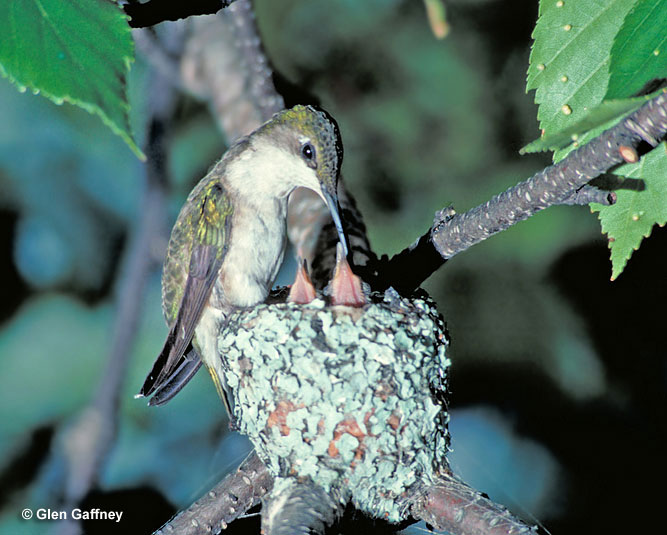
A Seasonal Guide for Georgia Homes
Georgia homeowners can plan for hummingbird activity with the rhythm of the seasons. Here’s what to expect:
| Season | Hummingbird Activity in Georgia |
|---|---|
| Early Spring (March–April) | Males arrive first, followed by females. Nesting begins in woodlands and backyards. |
| Late Spring–Summer (May–July) | Peak season. Birds raise their young, and feeders stay busy. |
| Late Summer (August) | Adult males leave. Females linger. Juveniles grow stronger before departure. |
| Early Fall (September–October) | Migration continues. Females and juveniles depart. By mid-to-late October, most are gone. |
| Late Fall–Winter (November–February) | Ruby-throats absent. Rare Rufous or other vagrants may appear. |
This pattern repeats year after year, giving Georgians months of hummingbird activity before the long winter pause.
Final Thoughts on When Hummingbirds Leave Georgia
Ruby-throated Hummingbirds bring energy to Georgia from March through fall. By October, most have headed south, guided by instinct.
eaving feeders up until they are truly gone ensures every traveler is supported—and sometimes even welcomes a rare winter visitor.