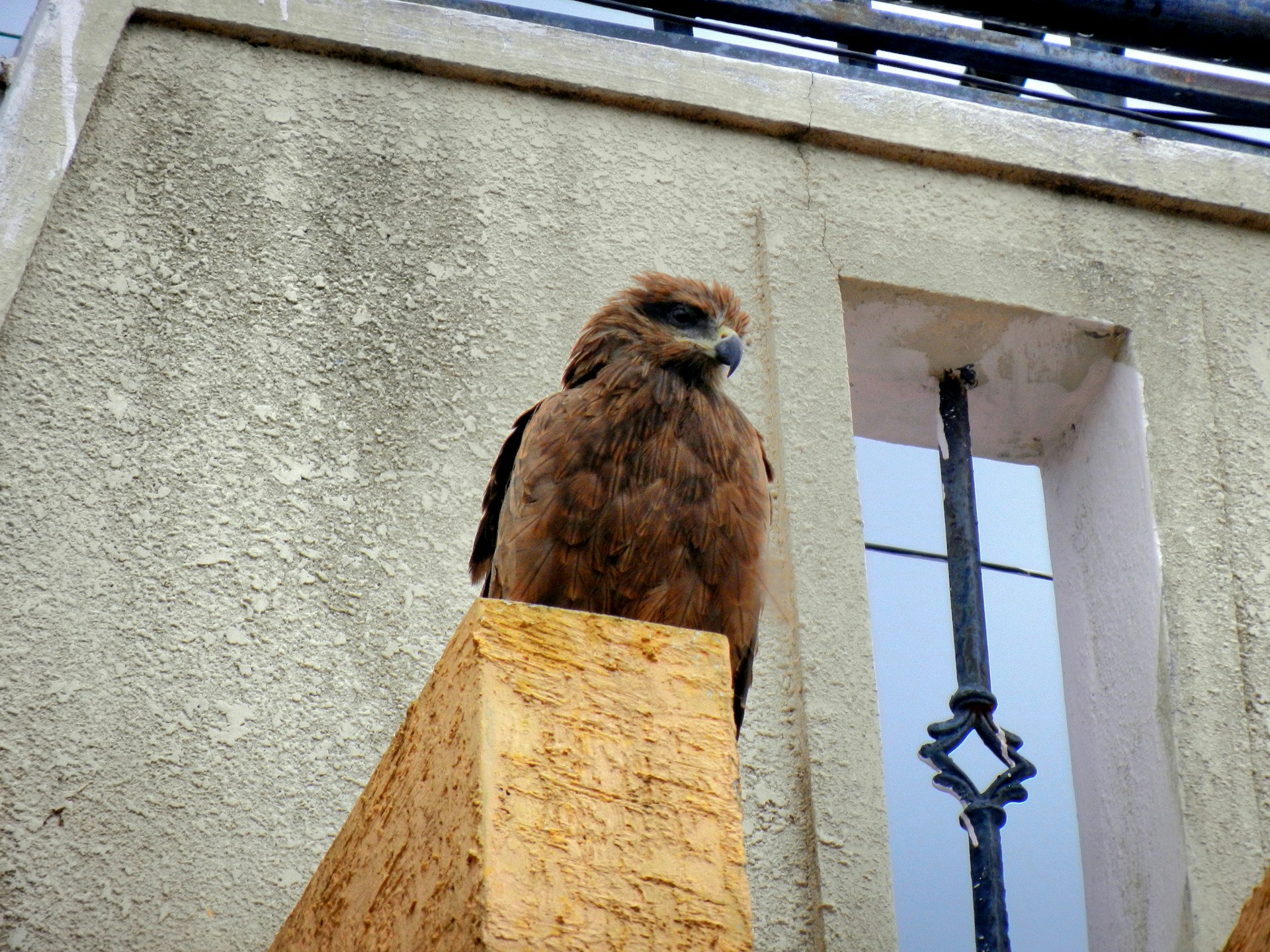
You might think the concrete jungle is devoid of feathered friends beyond the usual pigeons, but you’d be surprised. Tucked away in the nooks and crannies of our bustling cities exist secret havens, vibrant pockets where a surprising array of birdlife thrives. These aren’t your typical park ponds, these are the clandestine corners known only to a select few local enthusiasts. Prepare to discover the hidden melodies and vibrant plumage that await in these secret urban birdwatching spots.
Highrise Ledges
Highrise ledges in the United States, seemingly inhospitable environments, surprisingly host a limited but specialized diversity of bird species. These avian urbanites have adapted to exploit the unique niches offered by the towering structures within our cities.

One of the most notable residents of these vertical landscapes is the Peregrine Falcon. Historically, cliff dwellers, these magnificent birds of prey have readily taken to skyscrapers, finding that the ledges mimic their natural nesting sites. The abundance of pigeons and other smaller birds in urban areas provides a reliable food source, making high-rise ledges an ideal hunting perch and nesting ground. Cities like New York City and Chicago have established Peregrine Falcon populations thriving on these artificial cliffs.

Beyond apex predators, other species, though perhaps less glamorous, also utilize high-rise ledges. Hardy and adaptable birds like Rock Pigeons are commonly found nesting and roosting on building ledges and crevices. Their natural inclination to nest on cliffs and rocky outcrops pre-adapts them to urban structures. Similarly, introduced species like House Sparrows and European Starlings can exploit small nooks and crannies on buildings for nesting and foraging in the urban matrix.

The diversity is limited compared to natural habitats due to the lack of vegetation, soil, and diverse food sources. However, the species that do inhabit these high-rise environments often exhibit specific adaptations to urban life, such as tolerance to noise and human presence, and the ability to utilize artificial structures for shelter and nesting. While not a biodiversity hotspot, the avian life found on high-rise ledges offers a fascinating glimpse into the adaptability of birds in the face of urbanization.
Cemeteries
Cemeteries across the United States, often characterized by mature trees, varied vegetation, and a relative lack of intense human disturbance, can surprisingly support a notable diversity of birdlife, especially within urban areas. These ‘islands’ of semi-natural habitat within a developed landscape provide crucial resources for many avian species.

The bird diversity found in cemeteries often reflects a mix of resident urban-adapted species and migratory visitors. Mature trees, both native and introduced, offer nesting sites for cavity nesters like woodpeckers (Downy, Hairy, Red-bellied), chickadees, and nuthatches. Larger trees can also support the nests of hawks (like Cooper’s or Red-tailed) and owls (such as Great Horned or Eastern Screech-Owl), which may find a steady food supply of squirrels, rodents, and smaller birds within the cemetery grounds.
The understory vegetation, including shrubs and flowering plants, attracts a variety of songbirds, particularly during migration. Warblers, sparrows, thrushes, and flycatchers may use cemeteries as stopover points to rest and refuel, taking advantage of the available insects and berries. Year-round residents like Northern Cardinals, American Robins, Blue Jays, and various sparrow species are also commonly observed.

Features like ponds or water features within some cemeteries can attract waterfowl like ducks and geese, as well as wading birds on occasion. Open grassy areas can provide foraging grounds for American Robins, Eastern Bluebirds, and even Wild Turkeys in some locations. Interestingly, the very structures of cemeteries, such as monuments and mausoleums, can also play a role in providing perching spots and shelter for birds. Mourning Doves are frequently seen perched on headstones, and some species may even nest in crevices or sheltered areas of larger structures.
The level of bird diversity in a particular cemetery depends on various factors, including its size, the diversity of its plant life, the presence of water sources, and its surrounding urban context. Larger, older cemeteries with a variety of habitats tend to support a greater number of species. While not typically managed for conservation, these peaceful final resting places often serve as unintentional but valuable refuges for a surprising array of avian life within the urban matrix.
Underpasses and Bridges
Underpasses in the United States present a stark and often challenging environment for birdlife, resulting in limited diversity. These structures, typically associated with roads and railways, offer a few specific niches that a handful of adaptable species can exploit.
One of the most common avian inhabitants of underpasses is the Rock Pigeon. Their natural affinity for rocky cliffs and ledges translates well to the concrete and steel structures of underpasses, providing shelter from the elements and potential nesting sites on beams and supports. Their tolerance for human activity and a varied diet allows them to persist in these otherwise inhospitable locations.

Another group of birds sometimes found utilizing underpasses, particularly those near water sources or with some overhead vegetation, are swallows. Specifically, Cliff Swallows have become well-known for building their distinctive mud nests in colonies on the undersides of bridges and overpasses. These structures offer the vertical surfaces and overhangs they prefer for nest attachment, and the open areas around underpasses can provide foraging opportunities for flying insects. Barn Swallows may also occasionally nest in these locations.
Less frequently, other highly adaptable urban birds like House Sparrows and European Starlings might utilize sheltered areas within underpasses for roosting or nesting, though they are less specialized to this habitat than pigeons or Cliff Swallows.

Urban Backyards
Urban backyards across the United States, despite their varying sizes and landscaping, can surprisingly contribute to local bird diversity. These small patches of green within the urban matrix offer a mosaic of habitats and resources that attract a variety of avian species, often creating a unique blend of urban-adapted residents and visitors from nearby natural areas.
The types of birds you might find in an urban backyard depend heavily on factors like the yard’s size, the types of plants present, the presence of feeders and water sources, and the surrounding urban landscape. However, there are plenty of species that are well-adapted to human presence and urban structures, and they have learned to live and thrive alongside us.
Mourning Doves are gentle birds that often forage on the ground for seeds and may nest in trees or shrubs. They are adaptable and can thrive in both urban and natural settings. American Robins are very familiar lawn foragers, they also eat berries from trees and shrubs.
Birds like Northern Cardinals, Blue Jays, American Goldfinches, and Downy Woodpeckers are all attracted to urban bird feeders and can be seen in the barest of backyards that provide food and water for them.

While urban backyards may not rival the species richness of large natural habitats, they play a crucial role in supporting bird populations within cities, offering stepping stones of habitat and resources in an otherwise developed landscape. The cumulative effect of many individual backyards managed with wildlife in mind can significantly contribute to local and regional bird diversity.
Effluent Ponds
Effluent ponds in the United States, often associated with wastewater treatment facilities, might seem like unlikely places for birdlife, but they can surprisingly support a notable diversity of avian species. These ponds, rich in nutrients and often providing open water in otherwise developed or arid landscapes, can attract a wide variety of birds.
Unsurprisingly, waterfowl are most frequently attracted to the open water of effluent ponds. Species like Mallards, American Wigeons, Northern Shovelers, Ruddy Ducks, and sometimes even Canada Geese may be present. The ponds can offer resting and foraging opportunities, especially during migration. Herons and egrets may also frequent effluent ponds to forage for fish, amphibians, and invertebrates that can thrive in these nutrient-rich waters. Great Blue Herons, Great Egrets, and smaller species like Snowy Egrets and Black-crowned Night-Herons might be present.

Shorebirds are adapted to feeding in shallow water and along muddy edges, can find suitable habitat in the fluctuating water levels and nutrient-rich sediments of effluent ponds. Species such as Killdeer, various sandpipers, avocets, and stilts may be observed, especially during migration periods when they seek stopover sites. Gulls and terns are also opportunistic feeders that are often attracted to effluent ponds for potential food sources, including insects and small aquatic organisms.
In some cases, wastewater treatment facilities have intentionally managed their effluent ponds to enhance their value as bird habitat, recognizing their potential to support significant numbers and diversity of waterbirds and shorebirds, sometimes even attracting rare or migratory species. These managed sites can become unexpected hotspots for birdwatching.
Final Thoughts
Birds are, as we know, remarkable, adaptable and often surprising. As winged creatures, they have the ability to turn up anywhere. Always driven by the need to feed, shelter and breed, they are forever on the lookout for easy places to meet those needs. As more and more species lose their habitats, they have to adapt and seek out new places. Those that can tolerate human spaces and structures can often be seen to thrive. While we may look at blackbirds and pigeons with some scorn, they are actually amongst the most successful species of birds. They have found a way to survive the human jungle and should be looked at with admiration.