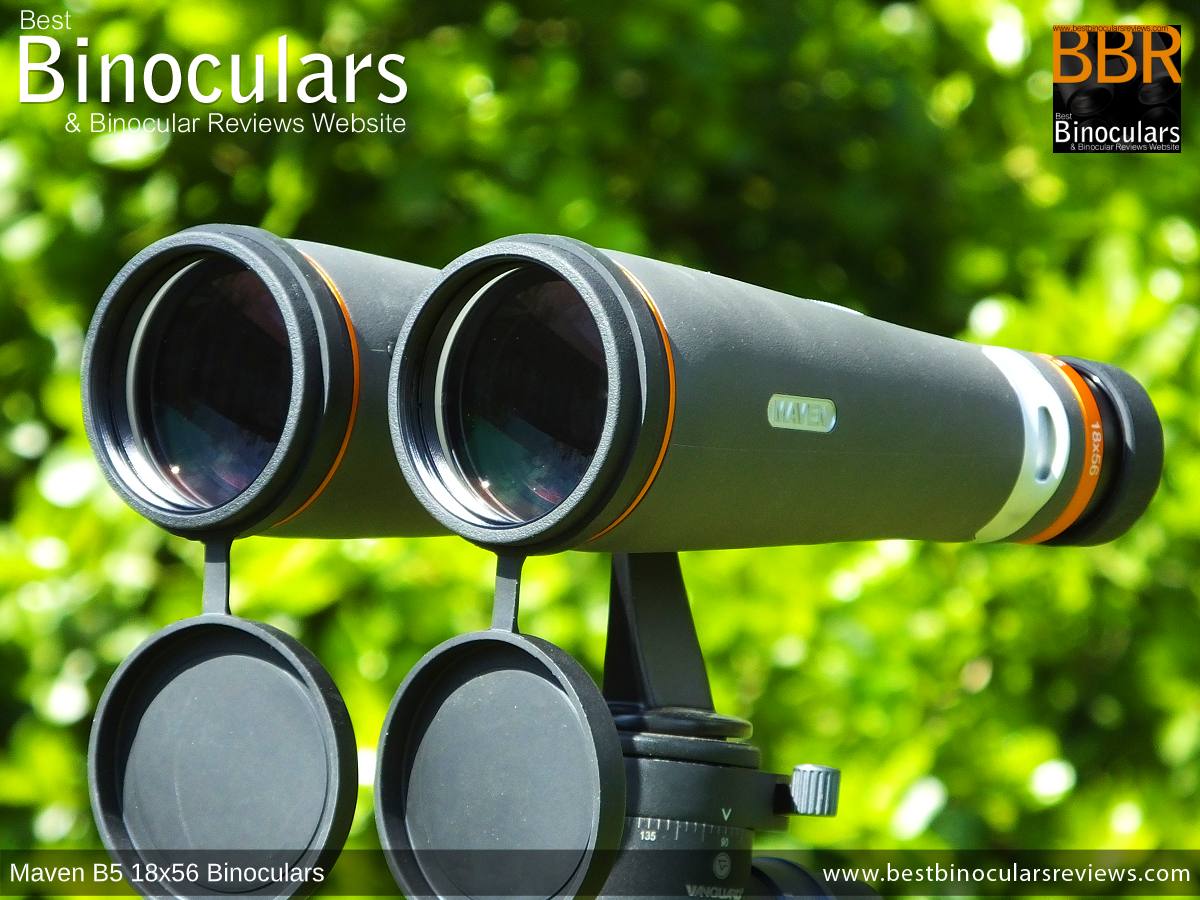
The Allure of Power: Why High Magnification Seems Tempting
If you’re new to birdwatching and shopping for your first pair of binoculars, you might be wondering: Why do most birders stick with 8×42 or 10×42 binoculars? Wouldn’t something like 12x, 15x, or even 18x give me a better view of distant birds?
You’re not alone – this is a question I hear often. It’s easy to assume that more “zoom” means a better view. After all, a higher magnification should help you see finer feather detail, field marks, or distant raptors on the horizon, right?
Well… yes and no. While more power can bring birds closer, the real-world experience is often more complicated. There are trade-offs – and they matter.
Let’s break down the reality of using high-powered binoculars for birdwatching, based on years of field use and conversations with experienced birders.
 binocula
The Downsides of Higher Power (That You Can’t Ignore)
1. Image Shake
The higher the magnification, the more every tiny hand movement gets exaggerated. Even small tremors can blur the view at 12x or above, making fine details harder to see, not easier.
Unless you’re using a tripod/monopod or have image stabilization, the shake can make the experience frustrating, especially if you’re scanning for birds or following movement.
2. Narrower Field of View
As magnification increases, your field of view shrinks. This makes it harder to locate birds, particularly in wooded areas, scrub, or anywhere with dense cover.
If you’re trying to track a warbler flitting between branches, a narrow view isn’t just a disadvantage – it can be a dealbreaker.
3. Reduced Brightness
Higher magnifications often lead to a smaller exit pupil (unless compensated by a larger objective lens). This results in a dimmer image, particularly noticeable in early morning or at sunset, when birds are often most active. Thus, yes, you may gain magnification but lose sharpness and clarity – unless you’re using excellent or at least good quality optics.
4. Added Weight & Bulk
To maintain brightness at higher magnifications, powerful binoculars typically need larger front lenses – think 50mm or more if you want something to perform well in sub-optimal light conditions (sunrise, sunset, or in thick forests). That adds size and weight, which affects comfort and portability in the field.
Pro Tip:
“One of the worst decisions a beginner can make is buying a cheap, high-power binocular. You get all the downsides of the high magnification, and the poor optics just amplify the problem of low light performance and image quality.
So… When Does More Magnification Make Sense?
Despite these challenges, there are situations where high-powered binoculars are a good option for birding:
-
Open landscapes like wetlands, grasslands, or coastal birding.
-
Observing distant birds such as raptors on thermals, nesting on cliff faces, or ducks, geese, cormorants, penguins, etc, far out on the water.
-
Supplementing a lower-power pair — Some birders will have both an 8x and a higher-magnification binocular for use in different scenarios.
Think of higher-powered models as specialist tools. They’re not the best for every birding situation, but they excel in the right context.
How to Use High-Powered Binoculars Successfully
Use a Tripod or Monopod
Mounting your binoculars eliminates image shake and lets you make the most of your optics.
-
Tripods are the most stable but less portable.
-
Monopods offer a good balance between support and mobility, especially useful for birders on the move. Some models even double as walking sticks.
For more information and recommendations, check out my guide to High-Powered, Long-Distance Viewing Binoculars on BBR.
Consider Image-Stabilized (IS) Binoculars
Modern IS technology has made huge strides. While older models were heavy, short-lived on batteries, and compromised on optics, newer ones are much better balanced.
If you want higher magnification without the hassle of a tripod, IS binoculars are now worth serious consideration.
Top Picks: Image Stabilized Binoculars That I Use:

KITE APC ED 18×50 / 14×50 Image Stabilized Binoculars
-
Incredible, industry-leading image stabilization
-
Excellent quality optics with equally impressive image quality
- Eye Relief 18mm
-
Field of view: 195ft @ 1000yds
- Waterproof: IPX7

Opticron Imagic IS 16×42
-
Lightweight and more affordable than the KITE APC
-
Ideal as a “grab-and-go” high-power binocular without the need for a tripod.
-
Compact enough for regular field use, yet powerful enough to really reach out.
- Ideal in good light conditions
Final Thoughts: Clarity Over Magnification
When choosing binoculars, it’s easy to get caught up in the numbers — 12x, 16x, 18x – but the reality is, the image quality and stability beat power every time.
So, unless you have a specific need for extra magnification and a plan for keeping the view stable, it’s usually better to stick with a high-quality 8x or 10x pair. If and when you want or need more reach, then explore the world of IS binoculars or tripod-mounted options.
Quick Summary:
-
New to birding? Start with 8×42 or 10×42.
-
Need more reach? Use a tripod, monopod, or consider IS binoculars.
-
Never go cheap on a high-power binocular – it just makes everything worse.
Whatever magnification you choose, just remember: birds are best enjoyed when you’re comfortable, steady, and immersed, not battling your optics trying to keep them steady. Make sure to get binoculars that work with you, not against you. Happy birding, and as always, feel free to visit Best Binocular Reviews for more options, in-depth reviews, and guides!