City birds are incredibly adaptable – they’ve found some surprising ways to thrive in the urban jungle. Although many species look very familiar, you might notice that many of them are actually species introduced from Europe.
Many of these birds, like the House Sparrow, European Starling, and Rock Pigeon, were intentionally or accidentally introduced to North America by European settlers. They brought them over either because they were familiar and missed them, or in some cases with the (often misguided) hope they would control pests.
Some of these birds, like pigeons, were already somewhat pre-adapted to urban-like environments. Rock Pigeons naturally nest on cliffs, and city buildings provide a similar kind of habitat. Let’s look at some other ways in which city birds continue to adapt and thrive in the city.

Dietary Shifts
Many successful city birds are omnivores, meaning they can eat a wide variety of foods. This allows them to exploit the diverse food sources available in cities, from insects and seeds to discarded human food (though this isn’t always the healthiest option for them!).
Some birds, like pigeons and gulls, have become adept at scavenging for food scraps in parks, restaurants, and even garbage bins. This ability to find food in unexpected places is crucial for survival in urban environments. However, it can also lead to aggressive behavior to humans and a lot of mess in parks and empty buildings where they tend to roost. Population control is controversial and expensive. It also, very often fails. Birds seem determined to thrive in our cities. As long as there is food available, we are likely to see them.

Behavioral Changes
City birds tend to be less afraid of humans than their rural counterparts. This allows them to live in close proximity to us and take advantage of the food and shelter we provide. That doesn’t mean that they are not affected by urban conditions. Noise, in particular, can interfere with bird communication. Some city birds have adapted by singing at higher frequencies or louder volumes to ensure their songs can be heard over the din of traffic and construction.
In some instances, birds have also shifted their activity patterns to avoid peak human activity. For example, they may forage for food at night or in the early morning when there are fewer people around.
Physical Adaptations
There’s a general ecological principle called Bergmann’s Rule, which states that animals in colder climates tend to have larger body sizes than those in warmer climates. This is because a larger body size helps to conserve heat. In cities, the “urban heat island effect” can make cities significantly warmer than surrounding rural areas. Studies have shown that some city birds have evolved smaller body sizes and this may be the reason why.
For example, a study on House Sparrows in Europe found that urban sparrows had smaller body sizes than rural sparrows.
Melanin is a pigment that gives feathers their black, brown, or gray colors. It also plays a role in feather structure and can protect them from pollutants. Several studies have shown that birds in urban environments tend to have darker plumage than their rural counterparts. This suggests that they have higher levels of melanin in their feathers. Cities are often polluted with heavy metals and other toxins. Melanin can bind to these pollutants, potentially helping birds to detoxify. So, birds with higher melanin levels might be better equipped to survive in polluted urban environments.

Habitat Use
City birds have learned to use buildings, bridges, and other man-made structures as substitutes for natural habitats. They may nest on rooftops, balconies, or in the crevices of buildings. They will quickly take over abandoned buildings and use them as large communal roosts and nesting areas.
Urban environments are also often fragmented, with patches of green space separated by roads and buildings. City birds have adapted to move between these fragments and utilize them effectively. That is why you will often see so many birds in urban parks and gardens.
Genetic Evolution
Some studies have shown that city birds are evolving at a rapid pace. This means that genetic changes that help them survive in urban environments are spreading quickly through their populations. Scientists have identified specific genes that may be associated with urban tolerance in birds. These genes may help birds cope with the stresses of city life, such as pollution and noise.
Some Successful City Birds
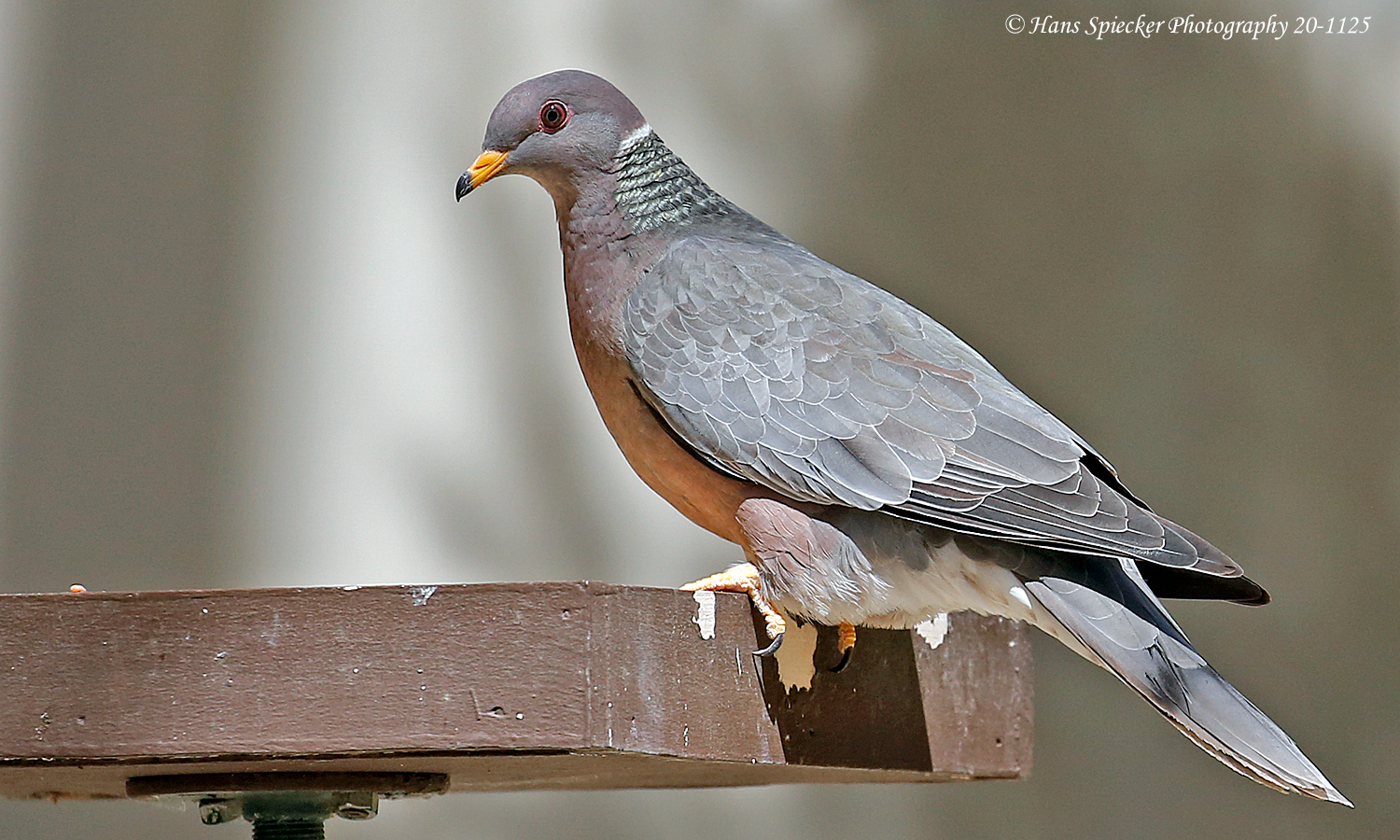
Feral Pigeons: These birds are incredibly adaptable and can thrive in almost any urban environment. While they are often regarded as disease-spreading and even as ‘flying rats’, it should be remembered that they have only spread thanks to humans and are one of the most successful bird species on the planet. That actually makes them rather special. If you forget the preconceptions we have about them, they are also quite beautiful.

House Sparrows: These small birds are common in cities around the world, thanks to their ability to exploit human-provided food and shelter. Sparrows thrive in familial groups and their cheery chatter is a common backdrop to life in the city.

European Starlings: These intelligent birds are excellent mimics and can adapt to a wide range of urban habitats. They are probably the most beautiful of all common urban birds with very different winter and summer plumage that range from bright spots to iridescent sheen.

Peregrine Falcons: These birds of prey have made a remarkable comeback in cities, nesting on skyscrapers and hunting pigeons. As the fastest animals on the planet, their physical feats of speed are simply incredible.

Eurasian Blackbirds: These birds are often found in urban parks and gardens, where they can find food and shelter. They are the songsters of the city with a delightful range of calls that are often heard early in the morning.

Final Thoughts
It’s important to remember that not all bird species are equally successful in cities. Some species are unable to adapt to the challenges of increasing urbanization and may decline in population. However, the birds that do adapt demonstrate the remarkable resilience and adaptability of nature. They show us that even in the most human-dominated environments, life can find a way to thrive.