
The sun dips below the horizon, painting the sky in hues of orange and purple. As the last rays fade, most backyard bird feeders become still, their daytime patrons tucked away for the night… or so you might think. Beneath the cloak of darkness, a hidden world of activity unfolds, and surprisingly, a diverse cast of avian characters emerges, drawn to our feeders for reasons often misunderstood. While the cheerful chirps of finches and the frantic flitting of hummingbirds define our daylight observations, a different kind of bird feeder visitor emerges after dusk, and understanding their nocturnal habits can be a fascinating addition to any backyard birder’s repertoire.
When we picture night birds, owls and nighthawks immediately spring to mind. And while these true nocturnal hunters might occasionally investigate a feeder area, they aren’t the primary nighttime patrons. The birds we’re discussing here are often species we see during the day, but their nighttime visits are driven by unique circumstances and needs. So, who are these elusive nocturnal diners, and what exactly are they hoping to find at your feeder when the rest of the world is asleep?
The Unexpected Guests: Who’s Dining After Dark?
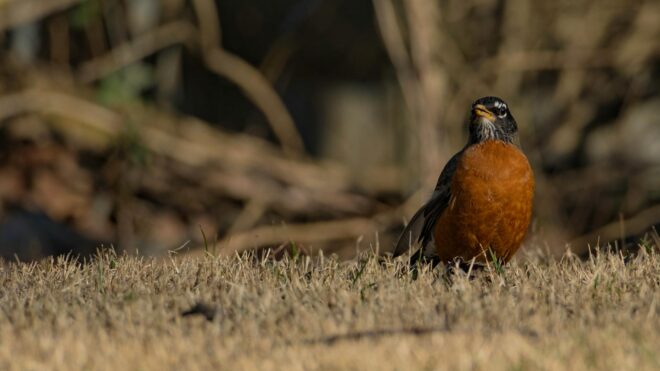
One of the most common, and perhaps surprising, nighttime visitors to feeders are American Robins. While primarily diurnal, robins are opportunistic feeders. During long nights, especially in colder months, a readily available source of protein like mealworms or even fruit can be a lifesaver. They might also be seeking out the residual water in a bird bath near the feeder. Their sharp eyesight, though not adapted for true darkness, allows them to navigate surprisingly well under ambient light from the moon or nearby sources.
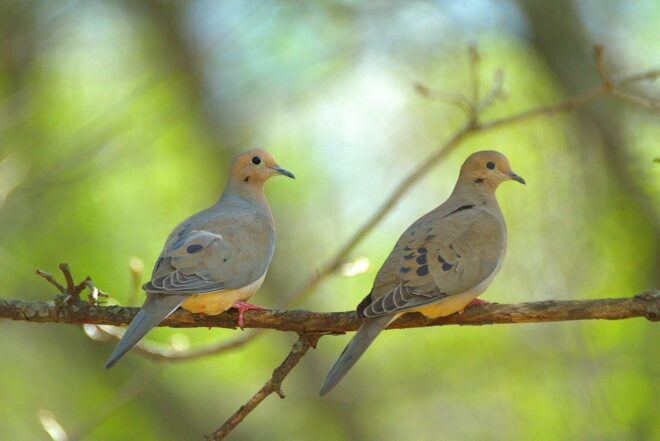
Doves and Pigeons, particularly Mourning Doves and Rock Pigeons, are also frequent nocturnal visitors. Their motivation is often simple: they’re cleaning up. Spilled seeds from the day, easily accessible on the ground beneath a feeder, represent an effortless meal. They aren’t picky and will often linger, foraging for every last crumb. Their large crop allows them to store a significant amount of food, making these nighttime binges particularly efficient.
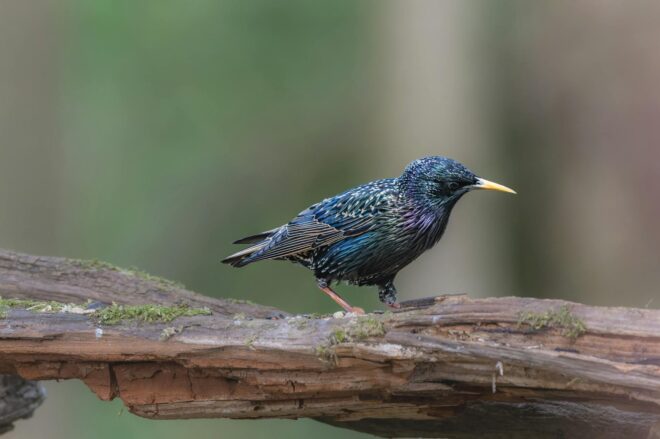
European Starlings and House Sparrows, often considered backyard nuisances during the day due to their aggressive feeding habits, also make appearances after dark. Like doves, they are largely opportunistic. If there’s easy pickings of scattered seeds, they’ll take advantage. Their nighttime visits are less about active foraging and more about gleaning what’s left behind, often after having thoroughly gorged themselves during daylight hours.
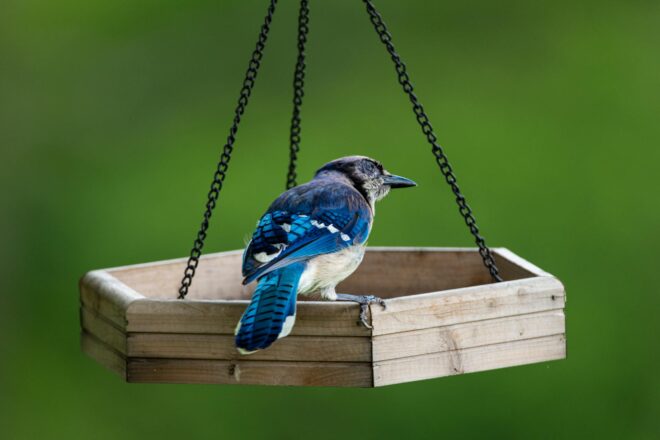
Jays, particularly the Blue Jay in the east and the Steller’s Jay in the west, are intelligent and adaptable birds. While primarily diurnal, they are known to cache food. A visit to the feeder at night might be for retrieving a cached seed they stashed earlier, or to take advantage of an unguarded peanut or suet offering. Their keen eyesight, even in low light, combined with their excellent memory, makes them adept nighttime foragers.
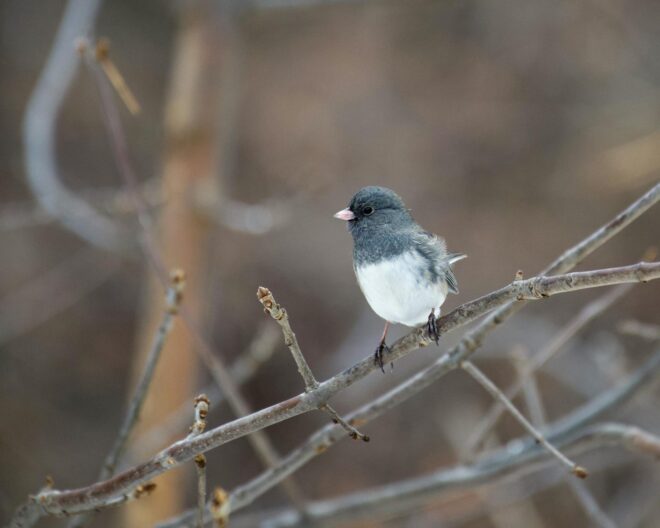
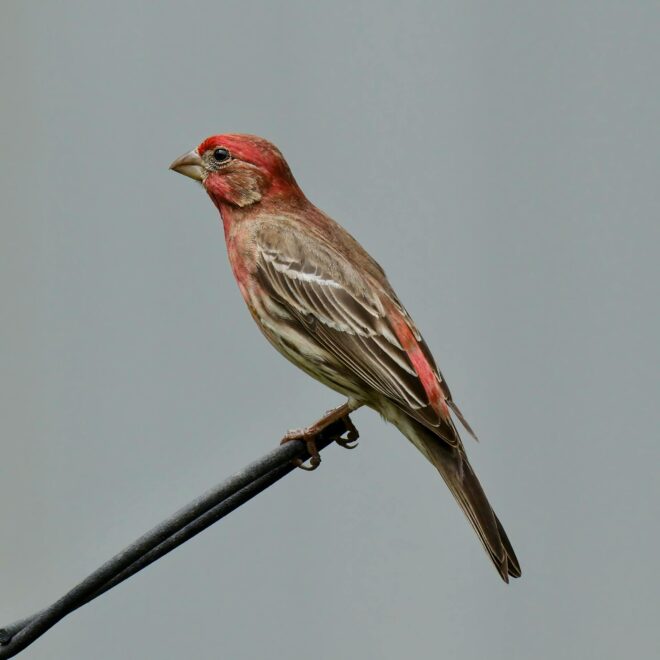
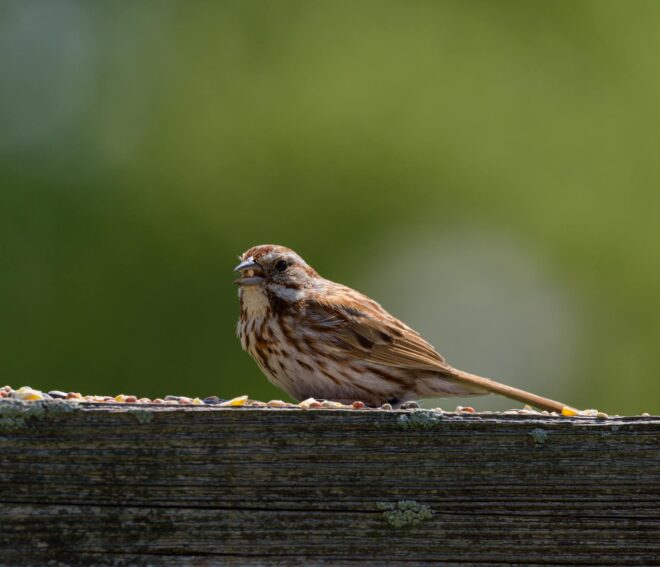
Perhaps the most fascinating nocturnal feeder visitors are the small songbirds that occasionally appear, especially during migration or periods of extreme cold. These can include various sparrow species (like Dark-eyed Juncos, Song Sparrows, and White-throated Sparrows), finches (such as American Goldfinches and House Finches), and even chickadees and nuthatches. Their reasons for nighttime visits are usually more urgent than mere opportunism, as we’ll explore.
What Are They Really Looking For? Beyond Just Food
While food is undoubtedly a primary draw, the motivations behind nocturnal feeder visits are more complex than simply a midnight snack.
Survival in Harsh Conditions
For many small songbirds, a nighttime visit to a feeder during a cold snap or a sudden drop in temperature can be a matter of life or death. Metabolisms are working overtime to maintain body heat, and every calorie counts. A quick top-up of high-energy seeds like black oil sunflower seeds or suet can provide the critical fuel needed to survive the night. During migration, exhausted birds might also seek immediate sustenance upon landing, regardless of the time of day.
Caloric Needs and Energy Reserves
Birds have incredibly high metabolic rates. They burn through energy at an astonishing pace, even when resting. During the long hours of darkness, without the ability to forage, their energy reserves can deplete significantly. A nighttime feeder visit, even a brief one, can help replenish these reserves and ensure they have enough energy to survive until dawn.
Safety from Daytime Competition
For smaller, more timid birds, the nighttime offers a respite from the aggressive competition of larger, more dominant species that dominate feeders during the day. This allows them a brief window to access food resources without being chased off. This is particularly true for ground feeders like sparrows and juncos.
Exploration and Opportunism
Birds are naturally curious and highly opportunistic. A well-lit feeder, perhaps illuminated by a porch light or moonlight, can pique their interest. If they discover an easy meal, they’ll likely take advantage of it. This exploratory behavior is especially true for adaptable species like jays and robins.
Hydration
While not directly food-related, a bird bath near a feeder can also attract nocturnal visitors. Birds need water for drinking and bathing year-round. A fresh, unfrozen water source at night can be as critical as food, especially in dry or cold climates.
Tips for Observing Nocturnal Feeder Activity
Observing these nighttime visitors can be a rewarding experience. The most effective way to document nocturnal feeder activity is with a motion-activated trail camera or security camera. These can capture clear images or videos without disturbing the birds. You’ll be amazed at what goes on after dark!
If you want to observe in person, use a low-power red light flashlight. Birds are less likely to be disturbed by red light than white light. Avoid shining bright lights directly at the feeder. Alternatively, you can place your bird feeders where they are visible from a window, but also where birds have nearby cover to retreat if startled.
To attract a wider variety of nocturnal visitors, offer a range of foods: black oil sunflower seeds, suet, shelled peanuts, and even a small amount of dried mealworms. A bird bath is also a good idea. A clean, unfrozen source of water in a bird bath is a magnet for birds, day or night.
Final Thoughts
The world of backyard birds extends far beyond our daylight observations. By understanding the motivations and habits of birds that visit feeders at night, we gain a deeper appreciation for their resilience, adaptability, and the subtle dance of survival that plays out under the quiet expanse of the night sky. So, the next time you glance out at your feeders after dark, remember: the show might just be beginning.