Summer in the United States offers a unique window into the avian world, as birds are active with nesting, raising young, and preparing for early migrations. While it might seem like the best birding spots are remote wilderness areas, the truth is that incredible birdwatching opportunities often lie surprisingly close to our urban centers. For city dwellers seeking a quick escape into nature’s symphony, finding accessible and rewarding locations is key.
National Wildlife Refuges (NWRs)
Managed by the U.S. Fish & Wildlife Service, NWRs are specifically designed to conserve wildlife and their habitats. They often boast diverse ecosystems (wetlands, forests, grasslands) and excellent infrastructure for birding, including observation decks, boardwalks, and visitor centers. Many are strategically located along migratory flyways. In the summer, there is a wide variety of nesting waterfowl, wading birds (herons, egrets, ibises), raptors, and many songbirds. In late summer, shorebirds begin to appear on mudflats as they start their southbound migration.
NYC/Philadelphia: Edwin B. Forsythe NWR

The Edwin B. Forsythe National Wildlife Refuge, located in southern New Jersey, is a crucial protected area spanning over 48,000 acres of coastal habitats, primarily wetlands and salt marshes. It was established to safeguard migratory water birds and is a vital link in the Atlantic Flyway, a major bird migration route.
In the summer months (June-August), you can commonly find a variety of birds at the refuge, including:
- Shorebirds: Piping Plover (a threatened species that nests here), Short-billed Dowitcher, Willet, Yellowlegs, and various sandpipers (such as Sanderling).
- Wading Birds: Snowy Egret, Glossy Ibis, and eight other heron species (including Cattle Egret occasionally).
- Terns: Forster’s, Least, Common, and Gull-billed Terns. Black Skimmers are also present.
- Other Waterfowl: Clapper Rail and American Black Duck (some remain to nest).
- Songbirds: White-eyed Vireo, Brown Thrasher, Baltimore Oriole, Orchard Oriole, Eastern Bluebird, Eastern Towhee, Blue-gray Gnatcatcher, Common Yellowthroat, Marsh Wren, and Seaside Sparrow.
- Raptors: Osprey (nest on platforms) and Peregrine Falcons. Bald Eagles also use the refuge habitats.

Other NWR
- Houston/New Orleans: Anahuac NWR (Texas), or Lacassine NWR (Louisiana)
- Portland/Seattle: Ridgefield NWR (Washington)
- Denver: Rocky Mountain Arsenal NWR (Colorado)
State Parks with Diverse Habitats
Many state parks are large enough to encompass a variety of habitats like forests, meadows, lakes, or rivers, supporting a wide range of bird species. They are generally well-maintained and offer trails and facilities. Forest birds (woodpeckers, vireos, warblers, thrushes), grassland birds (sparrows, meadowlarks), and water birds on lakes and rivers (ducks, geese, swallows).
Orlando: Wekiwa Springs State Park (Florida)

Wekiwa Springs State Park, located near Orlando in Apopka, Florida, is a natural gem known for its refreshing 72-degree emerald springs that feed into the Wekiwa River. This unique park offers a variety of habitats, including sandhills, scrub, hardwood hammocks, flatwoods, lakes, and ponds, making it an excellent spot for birdwatching and other outdoor activities like hiking, biking, horseback riding, and paddling. The park is part of the Great Florida Birding & Wildlife Trail.
In the summer, Wekiwa Springs State Park is home to a diverse array of bird species. Some of the birds commonly found there during this season include:
- Woodpeckers: Red-headed, Pileated, Red-bellied, Hairy, and Downy Woodpeckers are frequently spotted.
- Sparrows: Bachman’s Sparrows are often heard calling in the sandhill areas.
- Kites: Look for Swallow-tailed Kites soaring overhead.
- Wading Birds: Wood Storks and Tricolored Herons can be found, particularly around the Sand Lake area.
- Vireos: Yellow-throated Vireos are known to nest within the park.
- Tanagers: Summer Tanagers are a beautiful sight in the park’s woodlands.
- Other common birds: Northern Bobwhites, Bald Eagles, Wild Turkeys, Mourning Doves, Great Crested Flycatchers, Eastern Towhees, Carolina Chickadees, Eastern Bluebirds, and Brown-headed Nuthatches.
The park’s diverse ecosystems provide crucial breeding and foraging grounds, making it a rewarding destination for summer birding. Remember to arrive early, especially in summer, as the park can reach capacity due to the popularity of its springs.

Other State Parks
- Raleigh: Umstead State Park (North Carolina)
- Madison: Devil’s Lake State Park (Wisconsin)
- Los Angeles: Point Dume State Preserve (California)
- Boston: Blue Hills Reservation (Massachusetts)
Audubon Centers & Sanctuaries
Run by the National Audubon Society or local chapters, these centers are explicitly focused on bird conservation and education. They typically have well-maintained trails, often provide bird lists, and may offer guided walks. Their habitats are usually managed to attract birds. Depending on their location, they can offer excellent opportunities to see local breeding songbirds, hummingbirds, and possibly raptors or waterfowl. They’re often good for beginners due to the focus on accessibility and interpretation.
Philadelphia: John Heinz National Wildlife Refuge at Tinicum
The John Heinz National Wildlife Refuge at Tinicum, located in Philadelphia, Pennsylvania, is celebrated as America’s First Urban Refuge. Established in 1972, it protects the largest remaining freshwater tidal marsh in Pennsylvania, encompassing nearly 1,000 acres of diverse habitats including freshwater tidal marsh, open waters, mudflats, and woodlands. This urban oasis provides a vital sanctuary for a wide array of fish, wildlife, and plants native to the Delaware Estuary.
In summer, the refuge is a bustling hub for various bird species. Commonly found birds include:
- Wading Birds and Waterfowl: Egrets, herons (Great Blue Heron, Great Egret, Snowy Egret, Little Blue Heron), Wood Ducks, and Glossy Ibis. During low water levels, hundreds of herons and egrets can be seen feasting on trapped fish.
- Marsh Birds: Marsh Wrens, Least Bitterns, and Swamp Sparrows.
- Raptors: Bald Eagles and Ospreys are frequently spotted soaring overhead or perching in trees.
- Songbirds: Yellow Warblers, Willow Flycatchers, Gray Catbirds, Red-winged Blackbirds, Northern Cardinals, American Robins, House Wrens, and various other migrant and resident songbirds in the wooded areas.
- Swallows: Tree Swallows, Barn Swallows, Bank Swallows, Northern Rough-winged Swallows, and Cliff Swallows are present in late summer, staging in large numbers before migrating south.
- Shorebirds: During summer drawdown of water levels, the impoundment attracts shorebirds such as Semipalmated Plover, Killdeer, Greater and Lesser Yellowlegs, Solitary Sandpiper, Spotted Sandpiper, and various other sandpipers.
- Gulls and Terns: Ring-billed, Herring, and Great Black-backed gulls are present year-round, while Laughing Gulls visit in spring and fall. Forster’s Terns arrive in late July and are present through late September.

Other Audubon Sites
- San Francisco: Richardson Bay Audubon Center & Sanctuary (California)
- Seattle: Seward Park Audubon Center (Washington)
- Pittsburgh: Beechwood Farms Nature Reserve (Audubon Society of Western Pennsylvania)
Coastal Estuaries and Beaches
For cities near the coast, estuaries, salt marshes, and beaches are magnets for various waterbirds and, in late summer, become crucial stopover points for southbound shorebird migration. Gulls, terns, oystercatchers, wading birds, and by late July/August, a growing number of sandpipers, plovers, and other shorebirds.
Galveston/Houston: Galveston Island State Park (Texas)
Galveston Island State Park is a 2000-acre park in Texas, offering campgrounds, hiking trails, birdwatching spots, and unsupervised swimming. It’s a significant location for birding due to its diverse habitats, including beaches, prairies, salt marshes, and freshwater ponds.
If you’re looking for rare migratory visitors, the park offers excellent opportunities to see resident species and late migrants. Commonly found birds in the summer include:
- Waterfowl: Black-bellied whistling ducks.
- Gulls and Terns: Laughing Gulls, Black Skimmers, Royal, Forster’s, Least, and Sandwich Terns.
- Waterbirds/Waders: Eared Grebe, Neotropic Cormorants, Roseate Spoonbills, American White Pelicans, Brown Pelicans, Great Egrets, Snowy Egrets, Great Blue Herons, Little Blue Herons, Tri-colored Herons, Reddish Egrets, Cattle Egrets, Black-crowned Night-Herons, Yellow-crowned Night-Herons, White Ibis, White-faced Ibis, Least Bittern, Clapper Rails.
- Shorebirds: Solitary Sandpipers, American Oystercatchers, Black-bellied Plovers, Willets, Ruddy Turnstones, Least Sandpipers, Western Sandpipers, Red Knots, Caspian Terns, Snowy Plovers, Wilson’s Plovers, Black-necked Stilts, Killdeer.
- Raptors: Magnificent Frigatebirds, White-tailed Kites, Crested Caracaras, Ospreys, Northern Harriers, Sharp-shinned, Cooper’s, Broad-winged and Red-tailed Hawks, American Kestrels, Merlins, Peregrine Falcons.
- Songbirds/Landbirds: Painted Buntings, Dickcissels, Scissor-tailed Flycatchers, Common Yellowthroats, Barn Swallows, Purple Martins, Common Nighthawks, Eastern Meadowlarks, Loggerhead Shrikes, Brown Thrashers, Carolina Wrens, Blue Jays, Eastern Kingbirds.
The park offers guided bird walks, and you can also use your car as a mobile blind for closer views of birds. Early mornings are recommended for the best viewing conditions and cooler temperatures.

Other Coastal Estuaries and Beaches
- San Diego: San Diego Bay National Wildlife Refuge (California)
- NYC/Philadelphia: Cape May, New Jersey
- Wilmington/Raleigh: Fort Fisher State Recreation Area (North Carolina)
Large Urban/Suburban Parks with Water Features
Don’t underestimate your local big park! Many older, established city parks have mature trees, ponds, and even small woodland patches that attract a surprising number of species, especially if they are located along a greenway or river corridor. Resident ducks and geese, various songbirds (robins, cardinals, sparrows, wrens), potentially some raptors, and flycatchers around water.
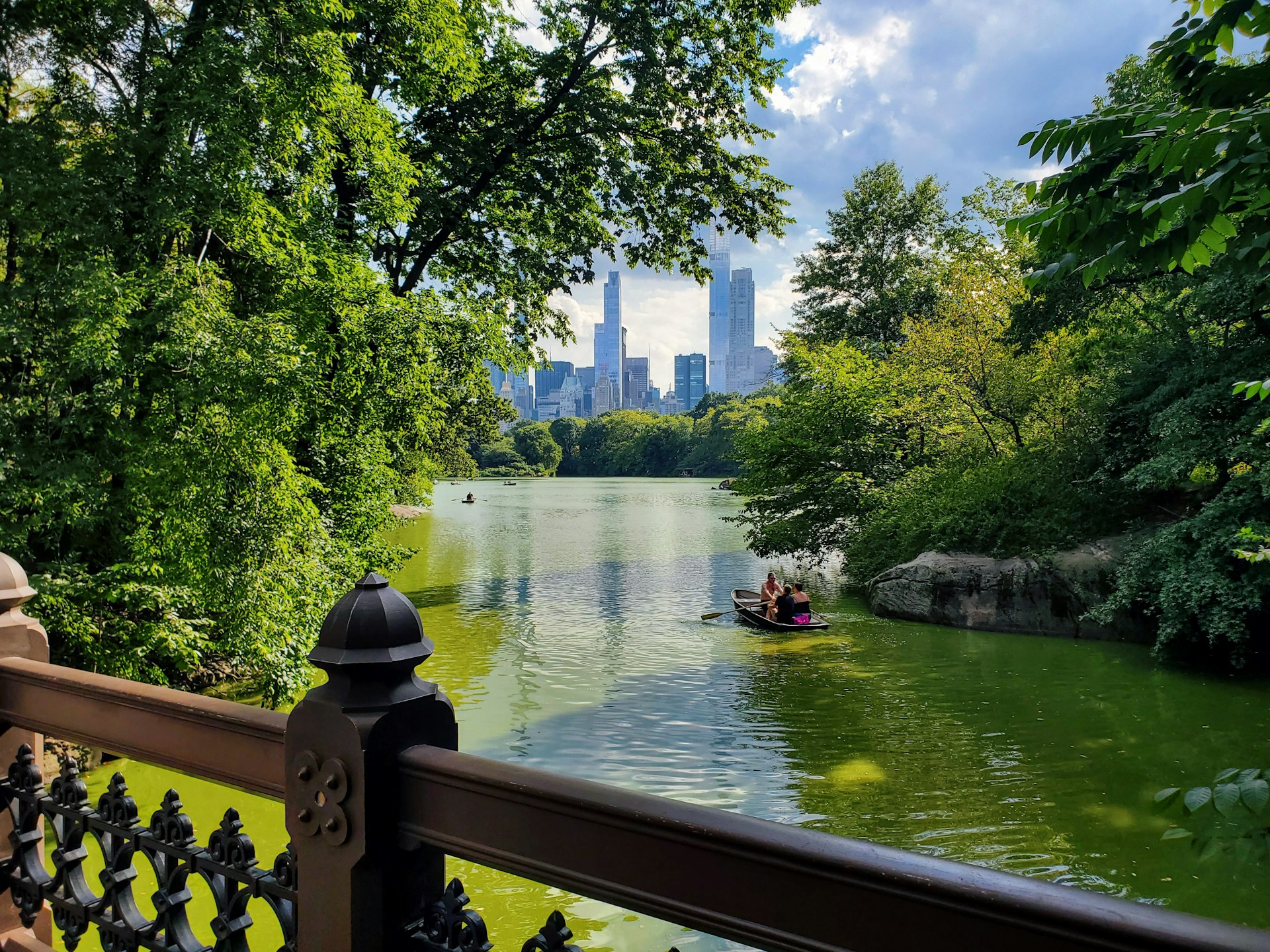
New York City: Central Park

Central Park is an iconic urban park in the heart of Manhattan, New York City. Spanning 843 acres, it’s a meticulously designed landscape featuring diverse habitats like woodlands (The Ramble, North Woods), open meadows (Sheep Meadow, Great Lawn), lakes and ponds (The Lake, Jacqueline Kennedy Onassis Reservoir), formal gardens, and rocky outcrops. Created in the mid-19th century by Frederick Law Olmsted and Calvert Vaux, it was envisioned as a naturalistic escape from the city’s hustle and bustle. It’s a remarkably biodiverse oasis, serving as a critical stopover point for migratory birds and home to many resident species.
In summer, Central Park sees a shift from the peak of spring migration, but it remains a vibrant birding spot as resident birds are busy nesting and raising young. Here are some birds commonly found there in summer:
- Residents: Red-bellied Woodpecker, Gray Catbird, Northern Mockingbird, Great Crested Flycatcher, Warbling Vireo, Baltimore Oriole, American Goldfinch.
- Various water birds: Mallards, Canada Geese, and sometimes Wood Ducks can be found on the park’s ponds and lakes. Great Egrets and Green Herons also frequent these areas.
- Red-tailed Hawk: Central Park is famous for its resident Red-tailed Hawks, including the long-lived “Pale Male” and his successors, often seen soaring overhead or perched on buildings.
Other Large Parks
- Chicago: Montrose Point Bird Sanctuary at Lincoln Park
- Washington D.C.: Rock Creek Park
- Los Angeles: Griffith Park
- Dallas: White Rock Lake Park
River Greenways and Riparian Zones
River corridors provide essential habitat and a natural highway for birds, often stretching from rural areas right into urban ones. The combination of water, trees, and shrubby growth along a river is ideal for many species. Kingfishers, swallows, warblers, vireos, flycatchers, and various water-dependent species.
Minneapolis/St. Paul: Minnesota Valley National Wildlife Refuge
The Minnesota Valley National Wildlife Refuge (MVNWR) is a significant and easily accessible natural gem located within the bustling Minneapolis-St. Paul metropolitan area. Established in 1976, this 14,000-acre refuge stretches for nearly 70 miles along the Minnesota River, forming a vital “greenbelt” of diverse habitats amidst urban development. It’s unique for being one of the few urban National Wildlife Refuges in the U.S., offering city residents a quick escape into nature. The refuge comprises a mosaic of floodplain forests, wetlands, marshes, grasslands, and even some oak savanna, all managed by the U.S. Fish & Wildlife Service to conserve wildlife. It boasts an extensive trail system (over 45 miles) and two visitor centers (Bloomington and Rapids Lake), making it an excellent spot for hiking, fishing, and, of course, birdwatching.
In summer, the Minnesota Valley NWR is particularly active with breeding birds and the early signs of fall migration. Here’s what you can commonly find:
- Waterfowl: Many species of ducks, geese, and swans are raising their young in the refuge’s abundant wetlands. Look for Mallards, Wood Ducks, Hooded Mergansers, and Canada Geese with their ducklings and goslings. Trumpeter Swans can also be seen nesting in the marshes, with their cygnets hatching in June.
- Wading Birds: The shallow waters and muddy edges are perfect for Great Blue Herons and Great Egrets, which are often seen stalking prey. Green Herons are also present, though they tend to be more secretive.
- Raptors: Bald Eagles are a common sight, nesting in mature trees along the river and actively fishing. You might also spot Red-tailed Hawks soaring overhead.
- Songbirds: The diverse habitats support a wide array of songbirds. In the woodlands, listen for American Robins, Northern Cardinals, Blue Jays, Wood Thrushes, and Baltimore Orioles. Near wetlands and shrubby areas, Common Yellowthroats, Yellow Warblers, and Willow Flycatchers are frequent.
- Shorebirds: By late July and into August, the refuge becomes a crucial stopover for southbound shorebird migrants. As water levels recede, exposing mudflats, you can look for various sandpipers (e.g., Least Sandpipers, Spotted Sandpipers), and possibly Lesser and Greater Yellowlegs.
Other notable summer residents: Keep an eye out for Belted Kingfishers diving for fish, Tree Swallows swooping over the water, and Ruby-throated Hummingbirds visiting flowers in the open areas.

Other Riparian Zones
- Near Sacramento: American River Parkway (California)
- Near Portland (OR): Willamette River Greenway
- Near Atlanta: Chattahoochee River National Recreation Area (Georgia)
Final Thoughts
Taking a day or weekend out of the city to bird watch is a wonderful way to destress and engage with nature. There are many organisations and locations that have dedicated and well-resourced areas that make the logistics of bird watching easy. From refuges to Audubon centers and state parks, information and infrastructure are available. Even closer to home are large parks, lakes, coastlines, and forests, where all you need is transport. Nature is never very far away, even in the city. All you have to do is get there!