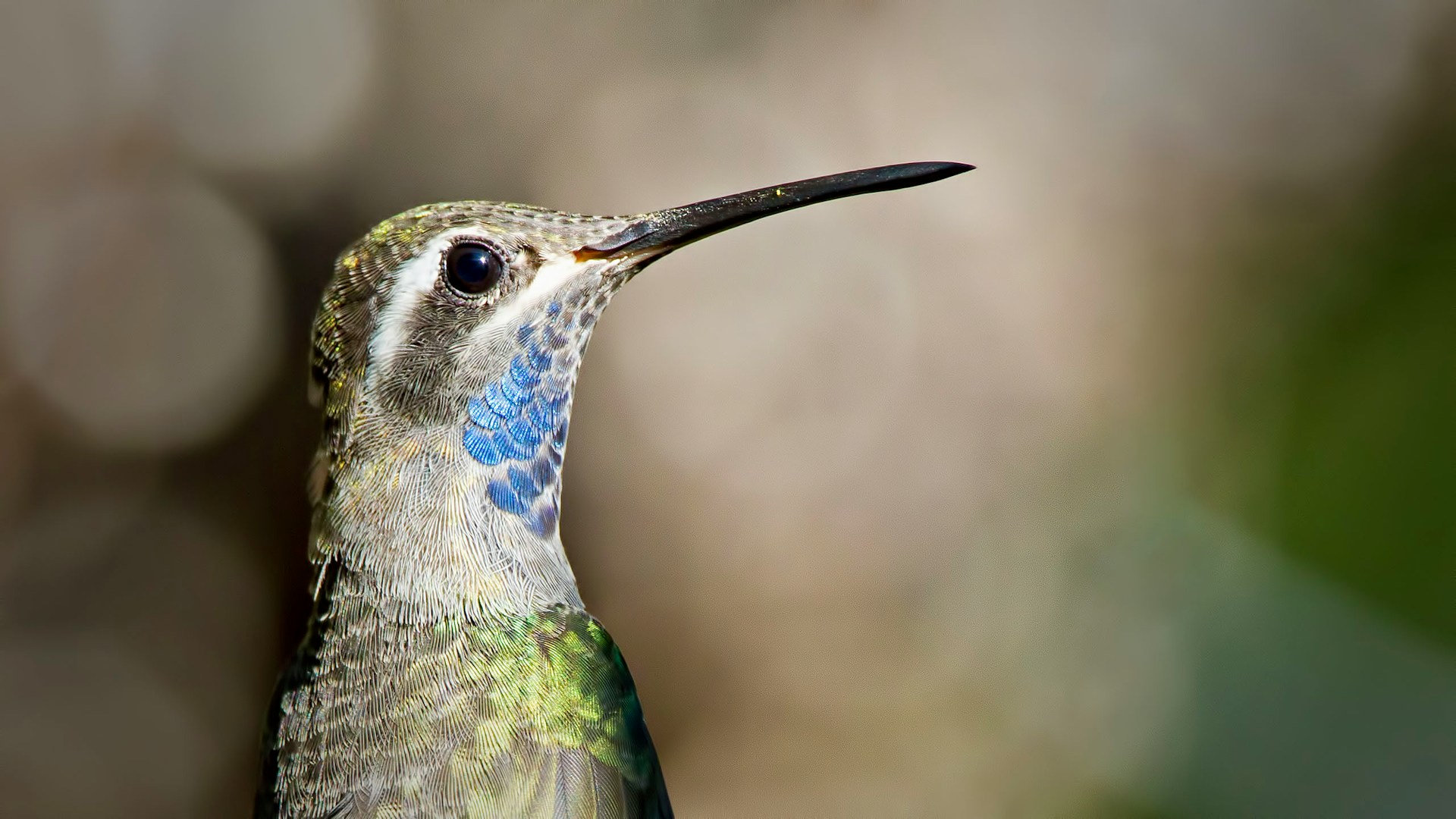
There’s nothing quite like the sight of a hummingbird hovering, wings buzzing like a tiny machine, as it sips nectar from a flower or feeder. These high-energy birds bring joy to backyards across North America, and for many people, especially longtime bird lovers, attracting them is a seasonal tradition.
But what if your feeder or garden isn’t getting many visitors this year? It might not be your nectar or location. Believe it or not, color plays a major role in attracting hummingbirds. Their visual system is wired to perceive certain colors more vividly than others, which affects the flowers they choose, the feeders they visit, and even the gardens they frequent.
1. Red – The Hummingbird Magnet

If there’s one color that almost guarantees a hummingbird will notice your feeder or flowerbed, it’s red. Hummingbirds have excellent vision, and their eyes are especially sensitive to reds and warm hues. Red flowers like bee balm, trumpet vine, and cardinal flower are hummingbird favorites, and feeders with bright red parts often outperform plain ones. It’s not that red means “nectar” in the natural world, but through trial and error, hummingbirds have learned that red blooms often offer the sweet rewards they’re after.
2. Orange – A Close Second

Though red gets the spotlight, orange isn’t far behind. Flowers like lantana and zinnias, which bloom in orange hues, are also popular with hummingbirds. Orange is another warm tone that stands out well in a green garden setting and suggests the possibility of nectar. Feeders with orange accents are a solid choice, and even wearing a bright orange shirt in the garden might bring a curious hummingbird your way!
3. Pink – Soft but Noticeable

While it’s a gentler hue, pink still ranks highly among hummingbird-friendly colors. Many pink-flowered plants like coral bells or penstemon produce nectar, reinforcing the idea that pink can mean food. It’s a good compromise for those who want a garden that’s attractive to both birds and human eyes. Hummingbirds may not respond to it as enthusiastically as red or orange, but pink is definitely in their visual sweet spot.
4. Purple – Surprisingly Effective

Purple doesn’t always get the credit it deserves, but hummingbirds actually pick it up quite well, especially when it comes to certain tubular flowers. Plants like salvia, lavender, and agastache bloom in rich purples and are a hit in hummingbird gardens. These colors stand out sharply against greenery and can help you diversify the visual palette of your yard without sacrificing appeal to your feathered friends.
5. Yellow – Mixed Results, but Often Positive

Yellow flowers don’t seem to be a top draw like red or orange, but hummingbirds will still visit them, especially if they produce high-quality nectar. They’re less likely to choose a yellow feeder over a red one, but bright yellows can still catch their eye and warrant investigation. Plants like columbine or goldenrod may attract a broader variety of pollinators, including hummingbirds. Consider yellow a solid secondary choice if you’re looking to add variety to your garden without losing hummingbird interest.
The Colors They Tend to Avoid
Now that you know what hummingbirds love, here’s what to use with caution, or skip altogether, when planning your bird-friendly yard.
6. White – The Invisible Color
White flowers and feeders are the least effective at drawing in hummingbirds. In nature, white often signals “nothing here” to nectar-seeking birds, and white objects can even blend into the background under bright sunlight. While white has its place in a moonlit garden or for visual contrast, it’s not doing you any favors if your main goal is attracting hummingbirds. If your feeder is mostly white or clear plastic, consider adding red tape or paint to make it stand out more effectively.
7. Blue – Pretty, but Not Persuasive
Despite being a popular garden color for humans, blue just doesn’t cut it for hummingbirds. Studies show they are far less likely to explore blue flowers or feeders. In the wild, blue flowers tend to be less nectar-rich than their red or orange counterparts, and hummingbirds seem to have learned that. Blue can even act as a visual “cold zone,” subtly signaling that a plant may not be worth the energy to check out.
That said, don’t rip out your bachelor’s buttons or forget-me-nots; blue blooms still support other pollinators. Just don’t rely on them to do the heavy lifting when it comes to attracting hummingbirds.
Final Thoughts
Hummingbirds might be tiny, but their preferences are big, and color plays a starring role in how they navigate the world. With two molts a year, lightning-fast metabolisms, and an insatiable need for nectar, they don’t have time to waste on plants or feeders that don’t stand out.
By emphasizing red, orange, pink, purple, and yellow in your garden or feeder setup, and minimizing white or blue, you’re giving yourself the best shot at enjoying regular visits from these dazzling birds.
The next time you’re choosing flowers or shopping for a new feeder, don’t just think about what looks good to you. Think about what looks good to a hummingbird. Because in their world, color isn’t just pretty, it’s essential for survival.